Quan Yin Gongfu

Maine

“Qigong is a subversive practice. It looks harmless with gentle, slow movements, but it’s designed to look simple, to move under the radar, to trick us into thinking it’s not doing much at all. The secret of Qigong is that we are tuning ourselves to our inner power.”
What is your current offering?
I serve as steward of a body of work – a living library of Qigong, Taiji, and Gongfu forms— under the name Quan Yin Gongfu, a practice tradition and community of like hearts. I’m an artist at the core, and my Dao (my path in this life) is in devotional discipline to sharing the Chinese Martial and Internal Arts.
What led you to this work?
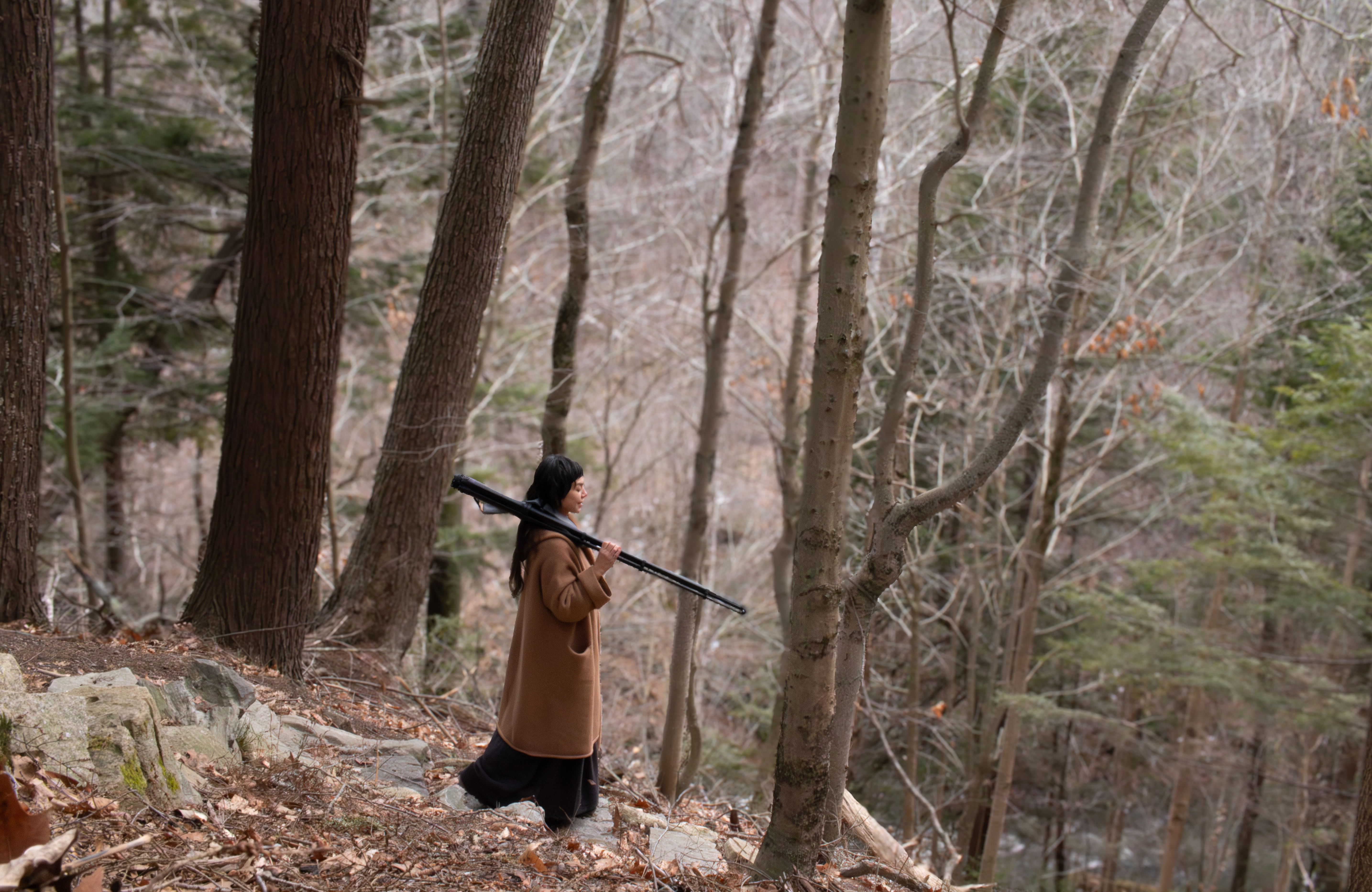
My Martial Arts training began in 2007 when I met my Sifu at the Colorado School of Traditional Chinese Medicine down the street from where I lived in Denver. I had been quietly wanting to attend his Taiji class for months before I got the confidence to go. I approached him with reverence. I asked about learning more Taiji and he told me to come to the park that Sunday. When I found them near the pond, I leaned my bicycle up against a massive Elm, alongside staffs, spears, canes, and swords. One of the students told me it was Gongfu. I decided then that I’d just watch, but my Sifu waved his hand at me and said, “You try. Just follow.” On that day, I reconnected with my body in a way that had been suppressed for as long as I could remember. It was a tremendous opening for me physically, creating space for me to open on a Spirit level. This Eagle Claw Gongfu training cleared the way for me to focus my practice on the Qigong forms I teach today.
Where does your background in art come in?
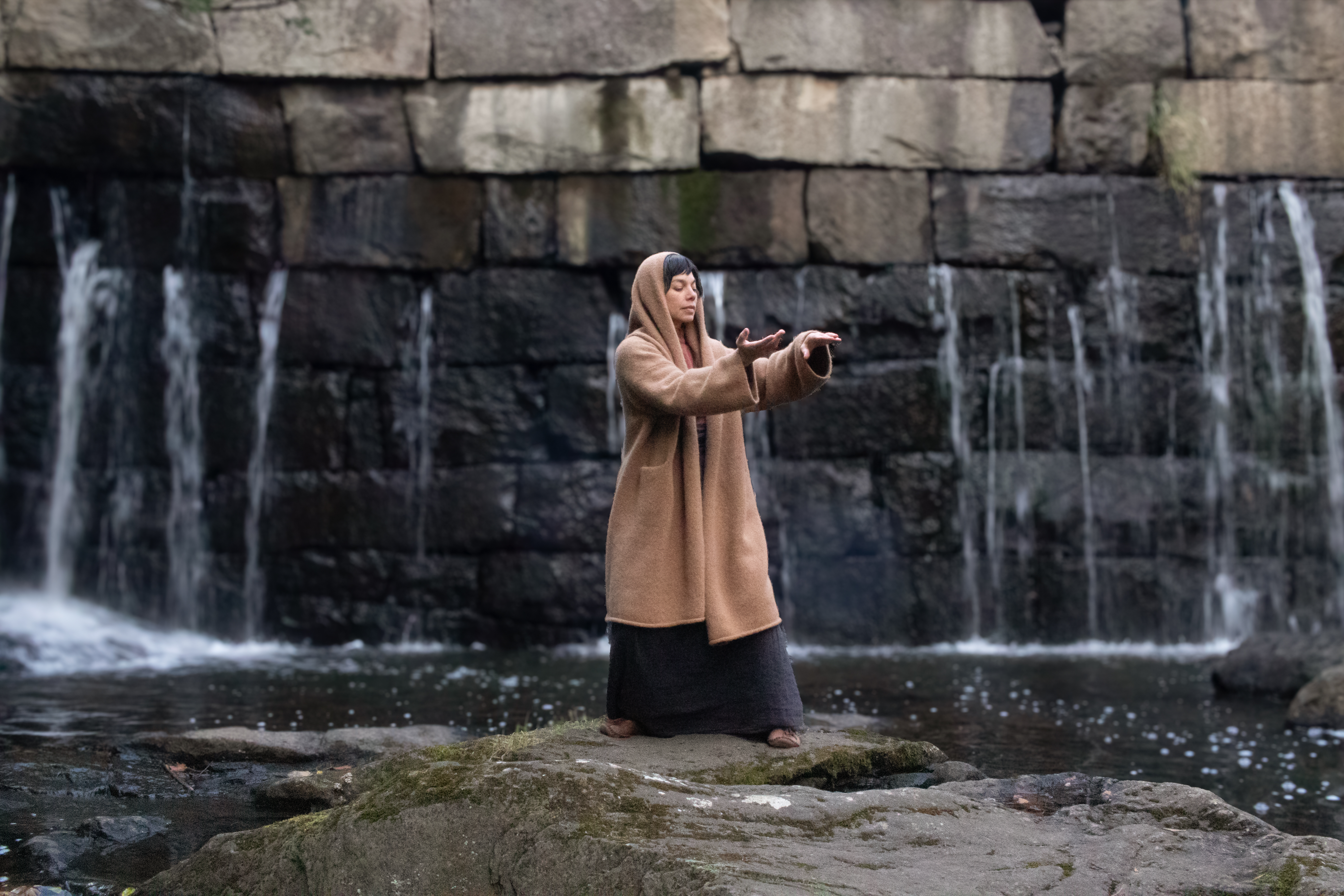
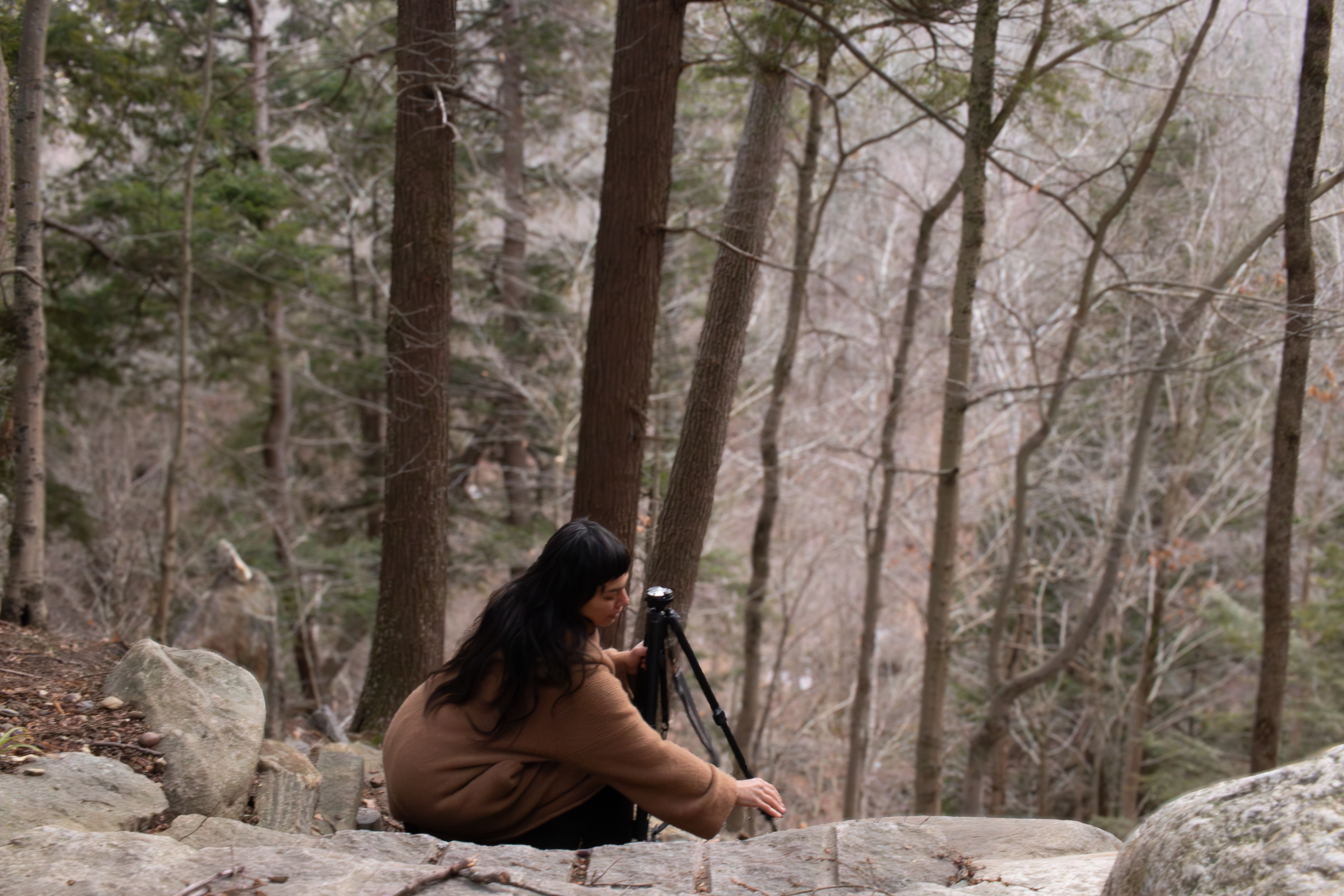
My training as a visual artist and writer supports this work, highlighted in the Qigong Lesson Films, an online archive from which practitioners can learn at their own pace. The Qigong forms that come through while recording my practice within nature’s landscape or teaching live ceremonial sessions are those that correspond to the seasons of the planet and the cosmos and are reliably pertinent to the tone of the world.
Who is this work for?
This work is for those seeking connection to their Internal Teacher, those who are willing to meet the body as an ally and guide, and who are open to cultivating the discipline to practice—to show up fully (or as best we can in each moment) and to carry the practice into our lives.
Who are your teachers?
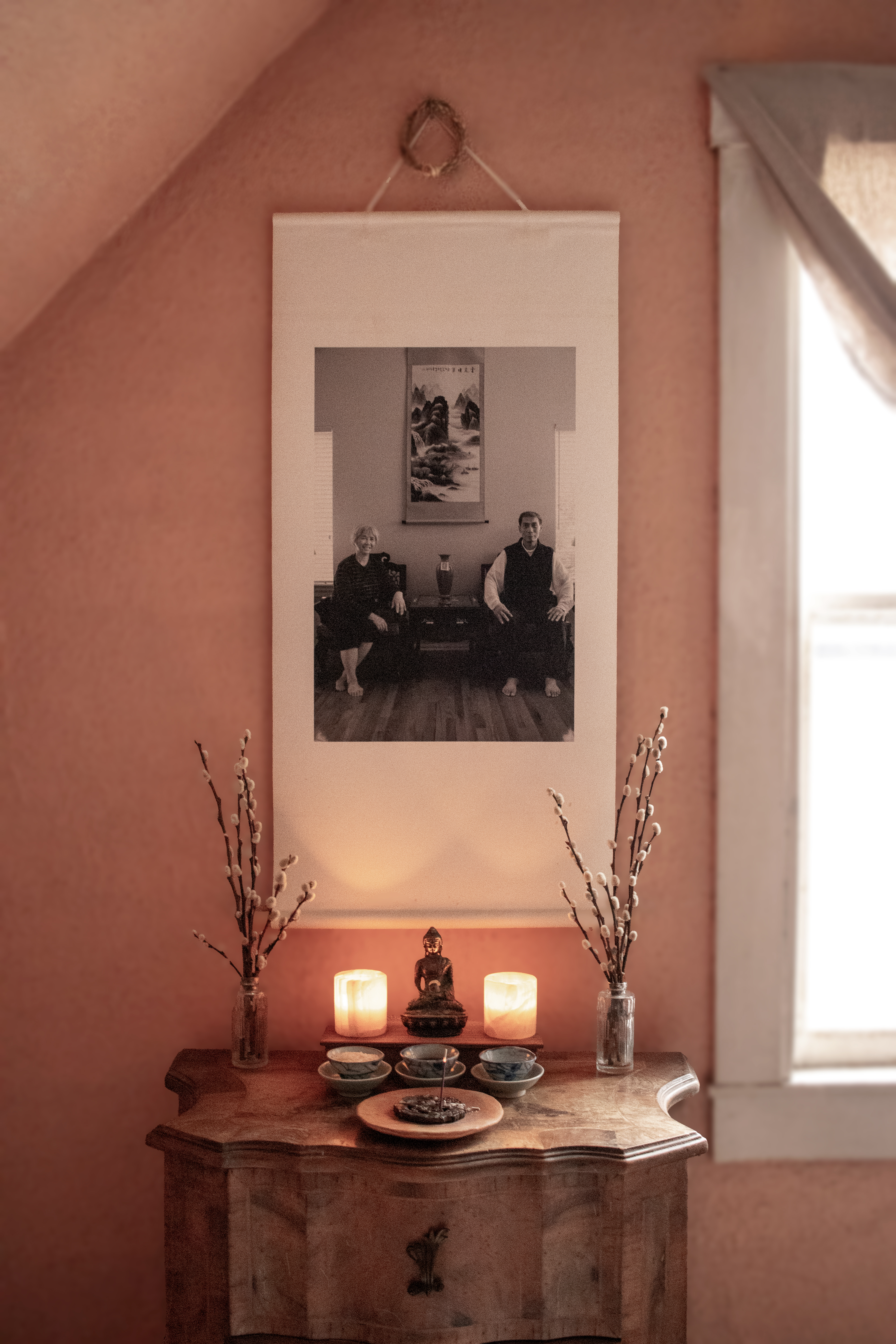
I’ve already mentioned my Sifu, Master Sing Chui, of the Eagle Claw Turning Style. This is the lineage I carry, given permission by him to teach the forms and wisdom granted to me through them.
My body is my main teacher, this loyal guide, talking to me every moment through sensation. This entire practice tradition is structured around meeting our own bodies as a principal teacher.
I also consider Quan Yin (the Bodhisattva of Compassion) to be an equally significant teacher. My relationship to her continuously helps me cultivate compassion, beginning with myself so that I can more gracefully offer it out upon the world.
What are the different ways people can work with you?
The best way to begin practicing with me is to subscribe to the Qigong Lesson Films. You can move at your own pace, a new lesson comes out monthly, and it’s organized via the Patreon platform so you can find the forms you need based on what you’re moving through in your life.
Many students use this resource as a supplement to my 9-month mentorship containers that begin in late August. I have courses for small groups sprinkled throughout the year, as well as free ceremonial sessions for the holy days like Solstice and Equinox. I also hold aside one or two spaces at a time for those who prefer to work privately within a six-month container.
What do you think personal growth has to do with collective change?
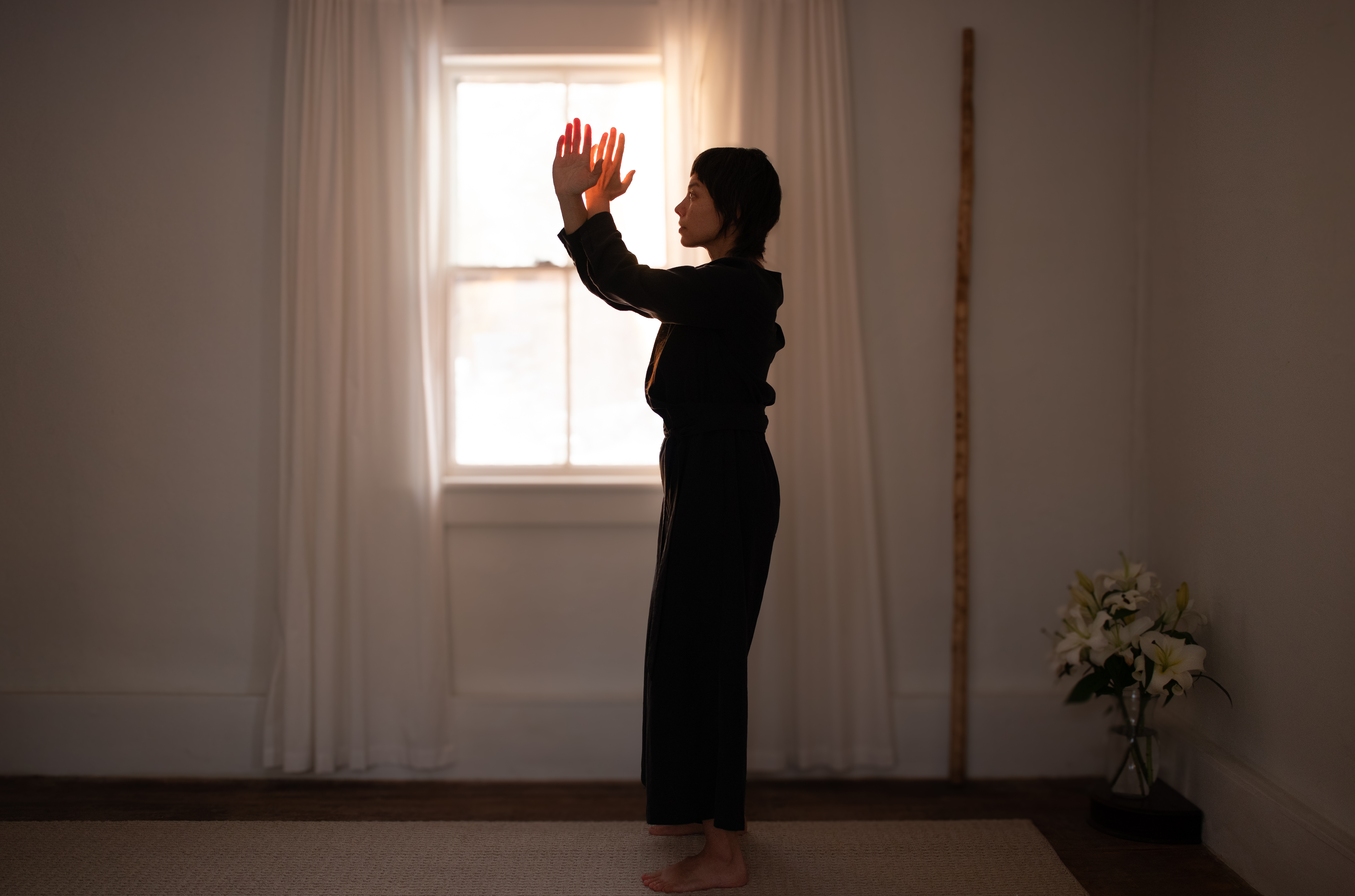
Collective change begins with the individual. Even the meaning of the word—individual—comes from the Latin word individuus, which means not divided. So when you say personal growth, we’re talking about the work of the souls here on the planet, one by one, returning to their undivided selves. This natural course, though not easy, offers profound return. As each individual wakes up to our innate connection to the whole, the result is a collective rising.
What role does a practice like this play in our current climate?
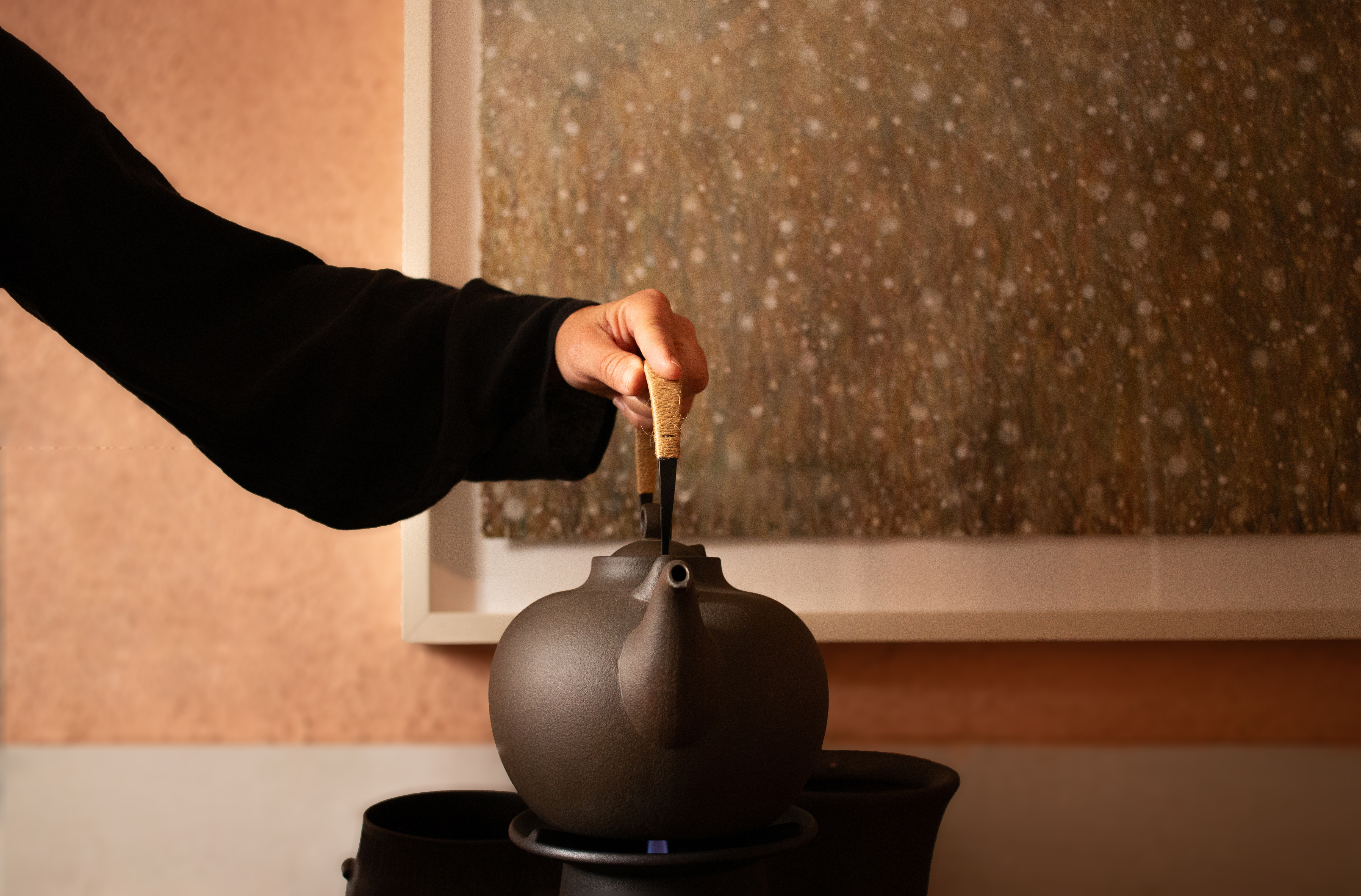
Qigong is a subversive practice. It looks harmless—gentle, slow movements— But it’s designed to look simple, to move under the radar, to trick us into thinking it’s not doing much at all. The secret of Qigong is that we are tuning ourselves to our inner power. This is the authentic personal power that creates worlds, and Qigong—and Taiji and Gongfu—creates a direct line to that power we and every one of us has.
How do you make your work accessible?
One of my personal intentions for this practice is to make it available to those who wish to train, regardless of financial resources. Scholarships are a big part of the Quan Yin Gongfu community, and the Qigong Lesson Film library is a natural place to sustainably make it possible for folks to pay what they can to be there.
What are some of your daily rituals and practices?
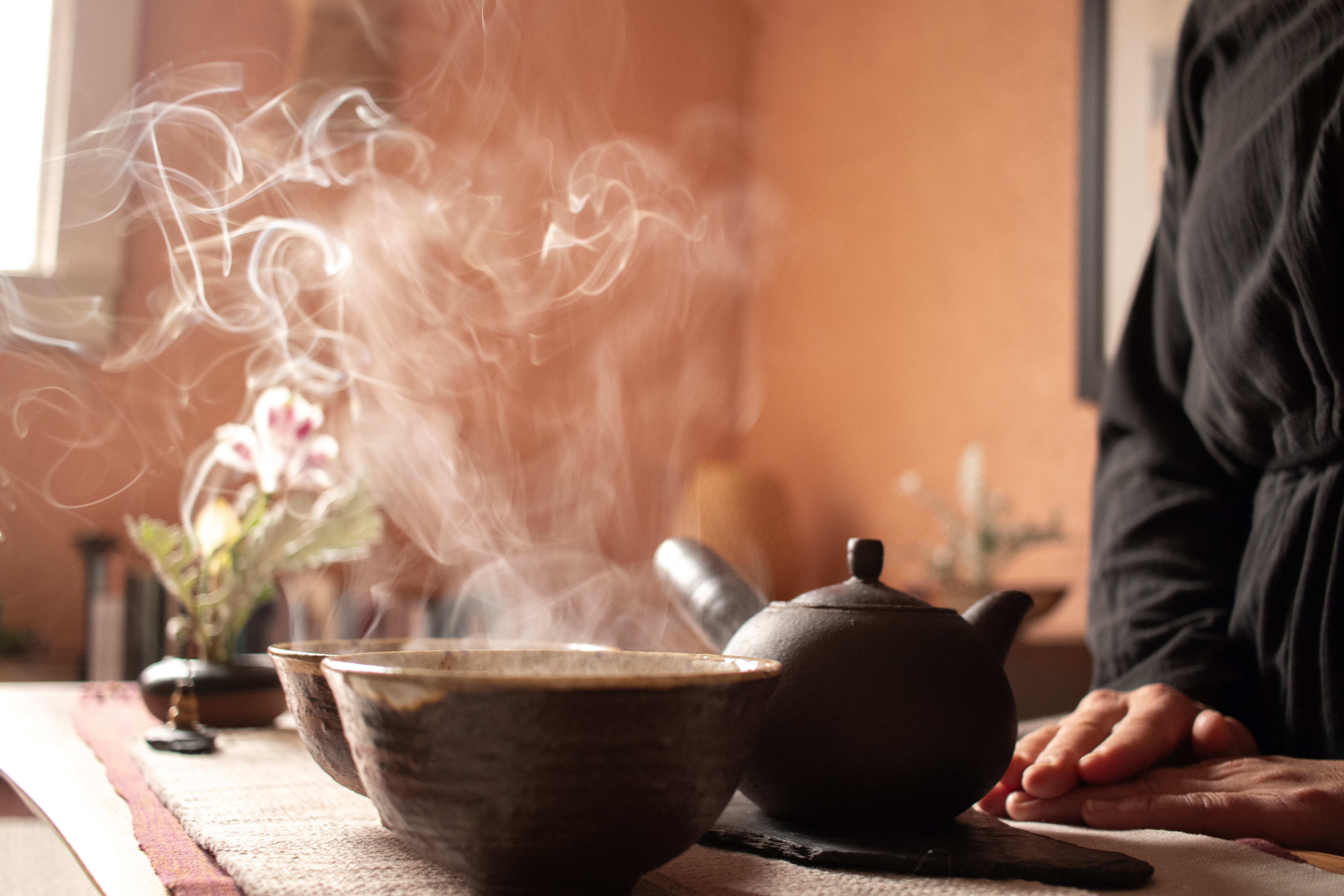
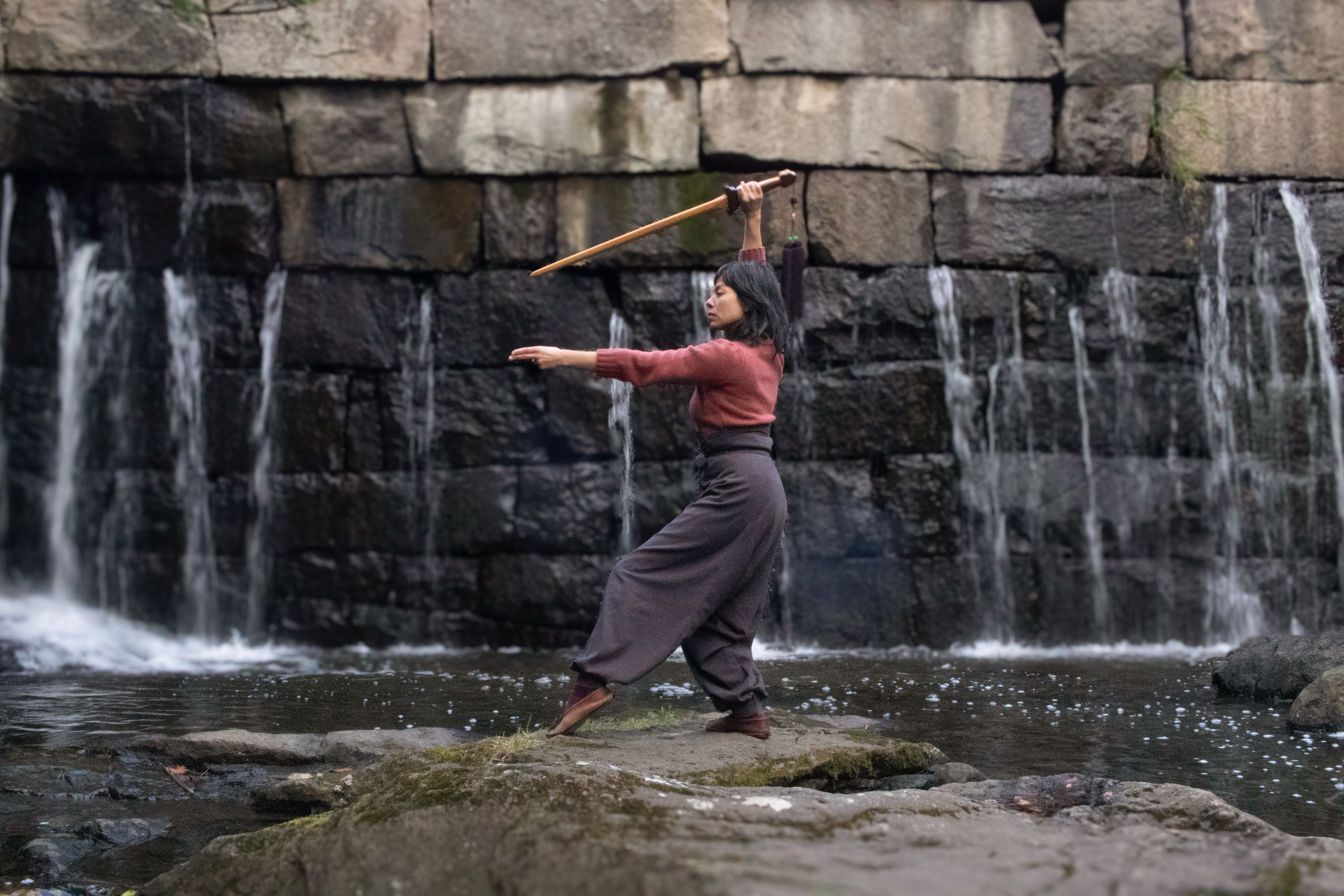
My main daily practices include Qigong, meditation, prayer, and ceremonial Tea practice in the Way of Tea—Cha Dao. Every day I return my awareness to my allies, guides, and teachers of the unseen realms, and take a moment to ask for their help. My days are bookended with seated meditation with my Sword and Stilling Mind Needle—the spiritual tools of our tradition.
What do you keep on your altar?
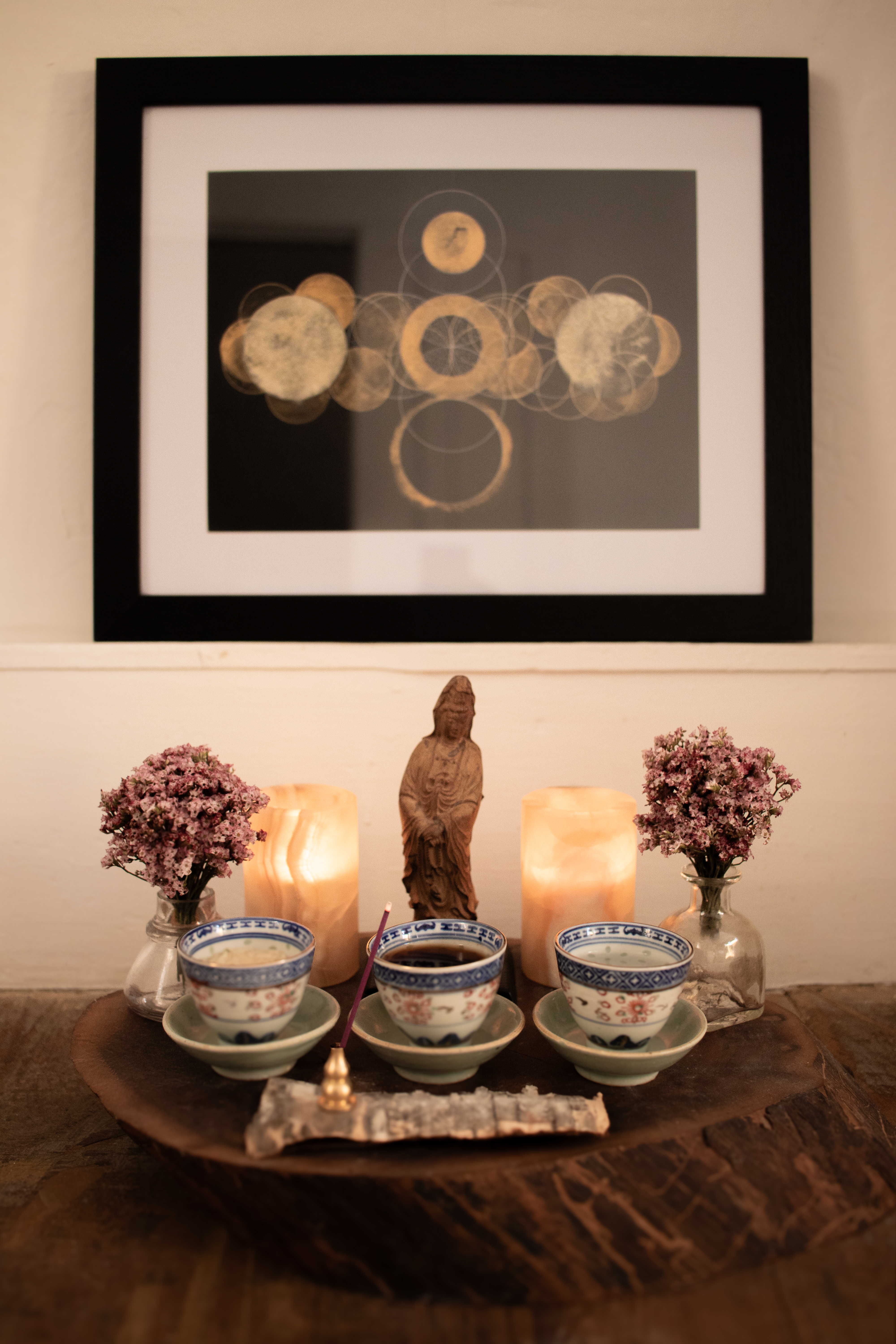
These days I aim to keep my altars clean, simple, and focused. Right now I have three —one to Quan Yin, one to Buddha, and one to Chenrezig, who, like Quan Yin, is Bodhisattva of Compassion, in Tibetan Buddhism. Each have small flower arrangements, a place to make incense offerings, and three gongfu teacups filled with tea, water, and rice.
What items support your wellbeing and personal practices?
There’s a Zen saying: “Even a good thing isn’t as good as no-thing.” I have plenty of material things in my life, don’t get me wrong, but in the spirit of bowing to the spaciousness we get to have when we choose no new thing brought in, I’ll focus on the spiritual tools of the Quan Yin Gongfu tradition.
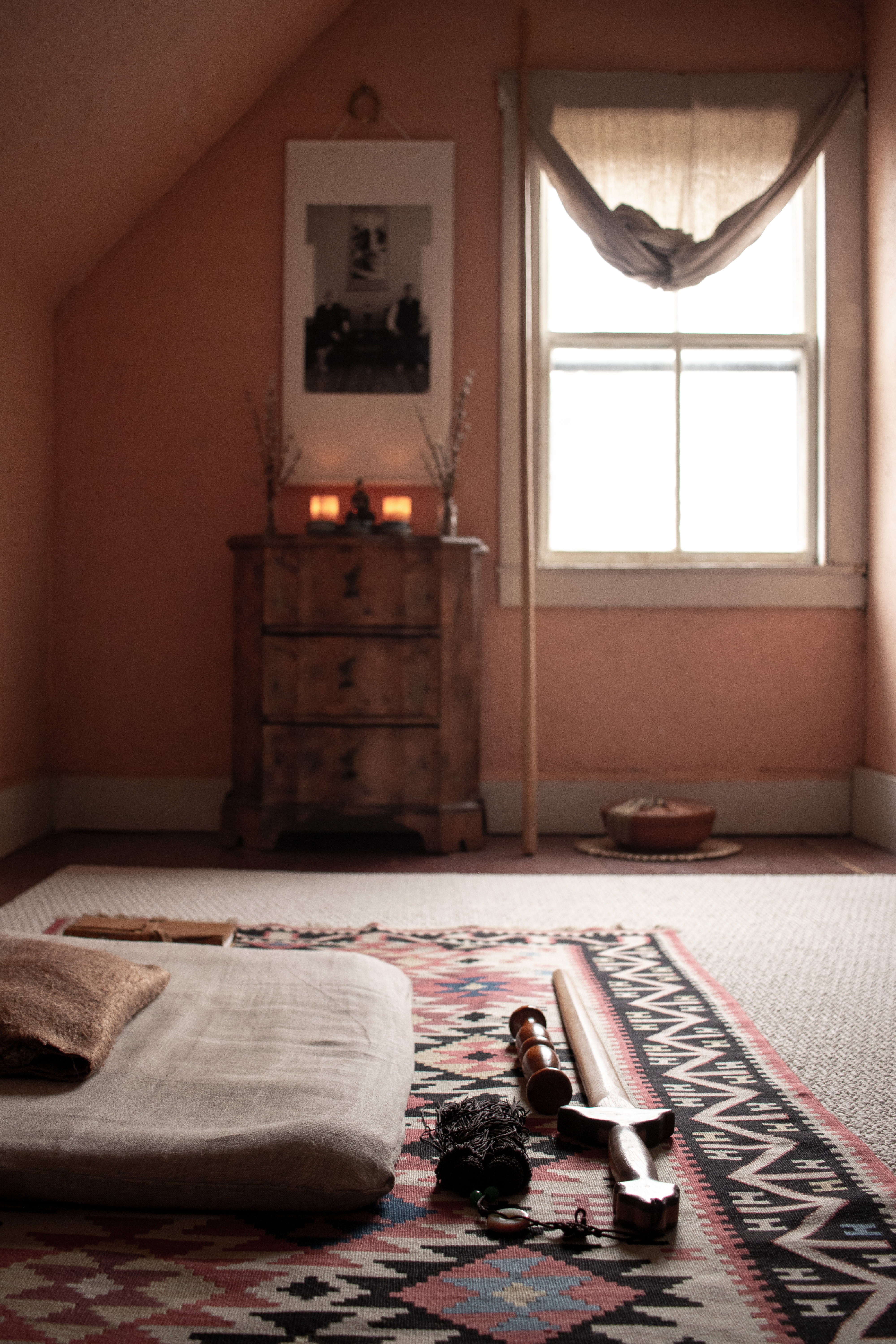
We call on the Sword, or Jian, and the Stilling Mind Needle, which are our sacred objects. We practice with these tools to train our sensitivity and ability to extend our Qi past our physical boundaries. When I offer a training with these items, we help each new practitioner receive their Sword and Needle with presence, like meeting a new teacher.
What is the best advice you've ever gotten?
“Just follow.” When we just follow, it means to listen deeply and respond, as opposed to reacting, anticipating, or expecting. When I just follow, I listen for the deep undercurrent of energy flowing like a river both inside myself and within the earth—and this current is available to us to follow at every moment. It is a simple act, to just follow; and it takes immense practice.
What words of wisdom do you always find yourself sharing?
“Relax the mind, relax the body.” This is something my Sifu used to say before leading us through the Bao Jian (Health Protection) Taiji form, and it’s something I hear myself saying when I teach. When the body relaxes, so does the mind. Likewise, to relax the body, we can begin with the mind.
What are three books you always recommend?
Five Spirits: Alchemical Acupuncture for Psychological and Spiritual Healing, by Lorie Dechar
Seeds for a Boundless Life: Zen Teachings from the Heart, by Zenkei Blanche Hartman
Tao Te Ching, with my favorite translations by Dr. Rosemarie Anderson, Stephen Mitchell, and Ursula LeGuin
Photos by Brea Fisher


