Zen Meditation

Ibiza

What are you bringing to the world right now?
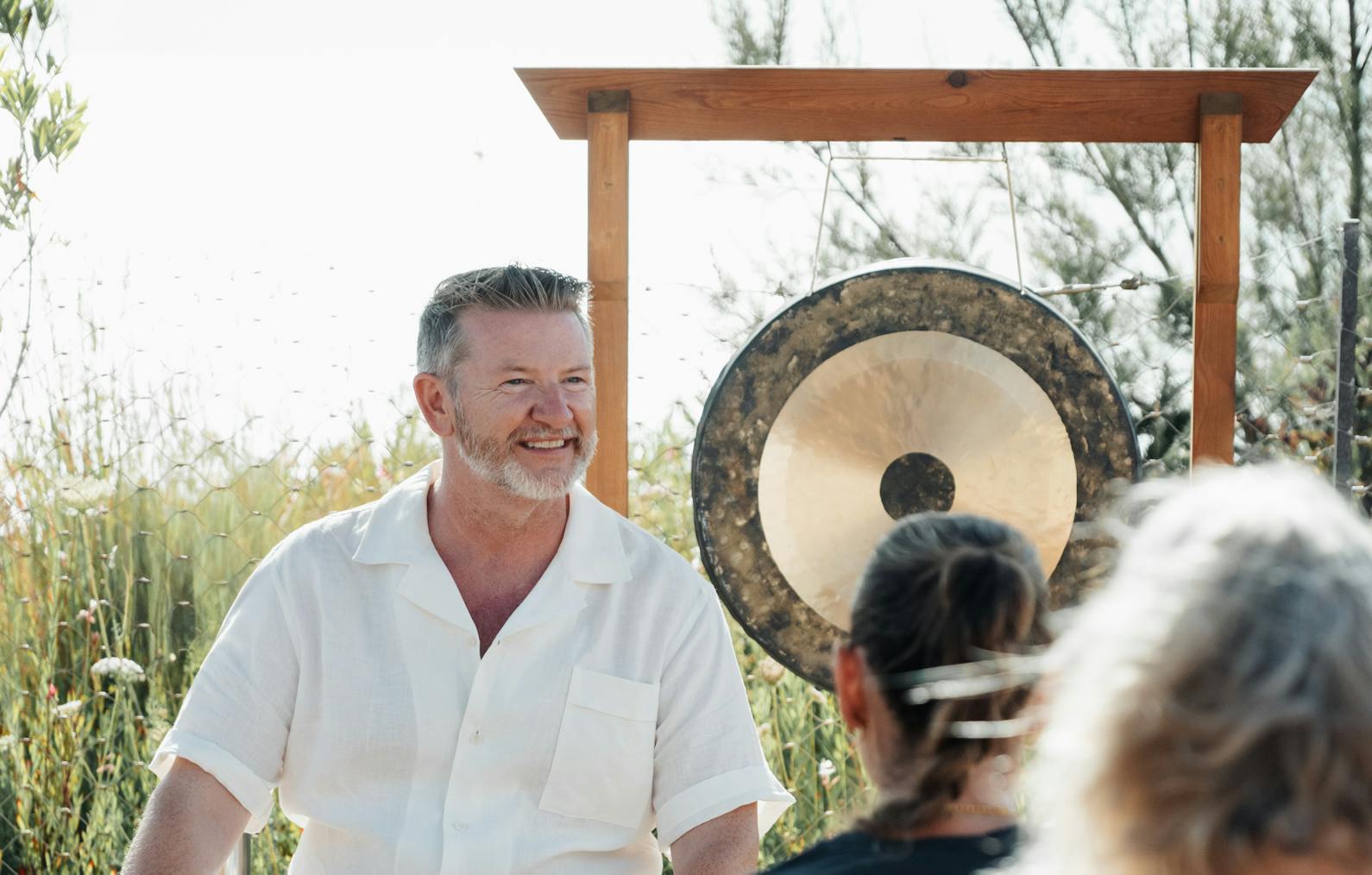
I always go back to a sense of what's embodied in me and how I offer that to the world, and that has always been the offer of inner peace and empowerment for people. The forms that I take are across the modalities of consciousness and meditation and movement practice, but also awakening into the creative spirit. It's a mix of multidisciplinary work, but meditation is the root of everything that I do and I am.
What led you to this path?
My path of awareness started at a very young age. I am from Belfast and I grew up in a war. At seven years old, I was caught in a bomb. I was blown across the street with my father. I was unconscious and whenever I came out of that concussion and unconsciousness, I woke up, my eyes open, looked around, and I looked down and I realized that I had a breath. And I was like, "I have this thing." It was my first experience of non-duality although, I certainly wasn't calling it that then. I got fascinated by this kind of breath thing that kept me alive because it was the first thing that I saw.
How did you find meditation - or how did meditation find you?
Someone once asked me, “how do you become aware?" It's a beautiful question. And, I said, one of the pathways to awareness is suffering. I was carrying a lot of PTSD and hypervigilance from my childhood, having witnessed a lot of very difficult things, but it wasn't until the passing of my mother that I think the pain and suffering became unbearable. My brother was a psychotherapist and encouraged me to go to a 10-week psychotherapy course, and I ended up training in the process of receiving my own grief therapy. My psychotherapy teacher was also a meditation teacher in the Zen practices. So it took me on a very strong therapeutic personal transformative journey into this fascinating place called the inner landscape. I became a devotee of hiking into my landscapes and got more fascinated because I realized how rich and challenging it was.
How did meditation change your life?
Meditation for me became a way that I could be in the world but also offer to the world. It changed everything with my connection to my traumas, it loosened the grip on life that I was holding. There is this gorgeous quote from Adyashanti, “no such thing as freedom from, just freedom to, because freedom from is not freedom at all," Meditation taught me how to really be free with everything rather than free from everything.
What is meditation to you?
Meditation for me is a training. The cushion is the launching pad into an awareness field that you live through your day. I like to think of it as a space to set yourself into potentially your day ahead or whatever time ahead or life ahead.
What can we do with the awareness once we cultivate it?
In my teachings and work, we call them the three A’s - awareness, attention, and action. When I cultivate a field of awareness, it gives me an opportunity to choose where I put my attention, and by putting my attention in a field of awareness, it's more likely that my actions are more dedicated to being conscious. How can you slow down to open up and then make better choices about what you're going to do?
Why does slowing down sometimes feel so hard?
We're so connected to the big picture now - but it's because we have lost the ability to master our attention. Our attention is going everywhere and there is so much information coming to us. It's not only that we're watching balls up in the air, we're actually trying to grab them all, and make sense of them all, and make meaning of them all. And yet we've lost the ability to simply see ourselves doing that. But meditation will help you find where you are, and be able to see all of these things move around you.
So what do we do once we see where we are?
People often ask me, “what is the meaning of life?" And of course the answer can only be one thing - the meaning of life is to live it. Life is pretty meaningless in many ways and it has a beautiful meaninglessness. When we sit with that, it allows our whole system to relax. That allows everything to relax. And I'm a real advocate of finding joy in that moment, even when there's suffering and stress around us, because that is our natural state. Our attention to loads of things is the thief of joy. It's like we're throwing attention at everything else but ourselves, and meditation massively can help that.
Why is joy so important in the face of suffering?
Having grown up around hatred and war, I feel I have a good range of the dynamic of life. I say joy because I think once you believe and understand that our suffering is coming from separation, and you get into this place that all of it is around us and moving through us, that for me brings a release into a feeling of joy. And that may be an earned experience over time, right? It's very easy to live this in Ibiza where it's all flow but it's possible even in the heart of Brooklyn. Even in the middle of high levels of suffering and conflict, you find these incredible diamonds of joy, compassion or forgiveness. And these are the sort of frequencies where we're transcending our suffering into another place. It's very possible in life to live that, and I'm absolutely an advocate for that.
Where does presence come in?
I think for me, the only thing that really matters is presence. Because presence is really our truth, right? You will never experience the future, and you will never experience the past, never. And so everything that matters is here, and nothing else really does. And truthfully, if you dedicate a life to that, which is the meditative life, then you will find out what matters because it's through the lens of presence that you do.
How can your personal meditation practice help others?
Thich Nhat Hanh or Thay, talks about the interbeing state. I am aware that I am not my thoughts and feelings and sensations all the time, and that's relaxed, then everything I do around me shifts. Everyone around me shifts because I am not enforcing this sense of separation of self.
Who are the teachers or lineages that have been a part of your journey?
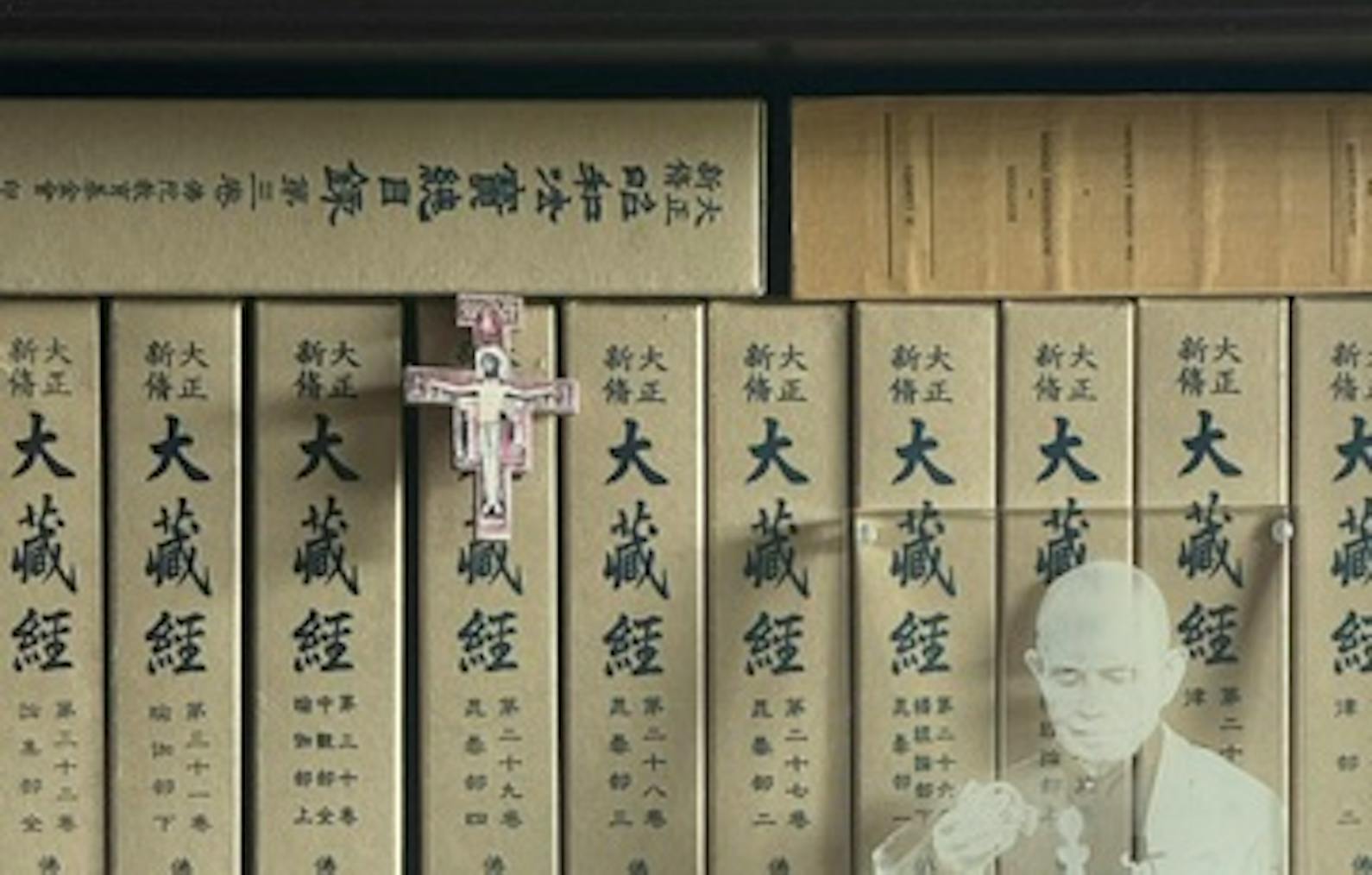
The monasteries that I was studying in were part of the Sōtō Zen community just north of Tokyo. My other teacher was Thich Nhat Hanh. Thay, as many people would know, was probably for me the most Western mindset of Buddhism that comes from the East, because he really embraced Sangha, not just Buddha and Dharma. It was very much about community and the inter-being of people. The Sōtō Zen community and Thich Nhat Hanh were my Buddhist forms, and spent many years studying in those realms. Then I met Gabrielle Roth, the founder of 5 Rhythms and started studying with her in New York and that changed everything for me.
What changed?
I started going into really formulated movement practices, and started to understand more about actually meeting the quality of the mind rather than just observing it. Downloading the psyche into motion, becoming these thoughts, feelings, and sensations helped me go to the next level with my work and practice. This beautiful intersection of creativity and consciousness is sort of a direct healing modality without it even named as healing. It is just this intersection where the creative space and consciousness start to weave. And that started to really fascinate me as a creative person.
What is the difference between your Eastern and Western training?
In the West we are by nature more emotionally driven. We have an extrovert culture in some way that thrives on progress and process - and for that we're psychodramatic and challenging. We're also brilliant and change makers, and we power through! We make stuff happen. In the East, it's collective, it's non-ego. It's about being part of that bigger thing. So there's a beautiful sort of East/West weave really, and I think it sits very central to me as well.
How do you work with people now?
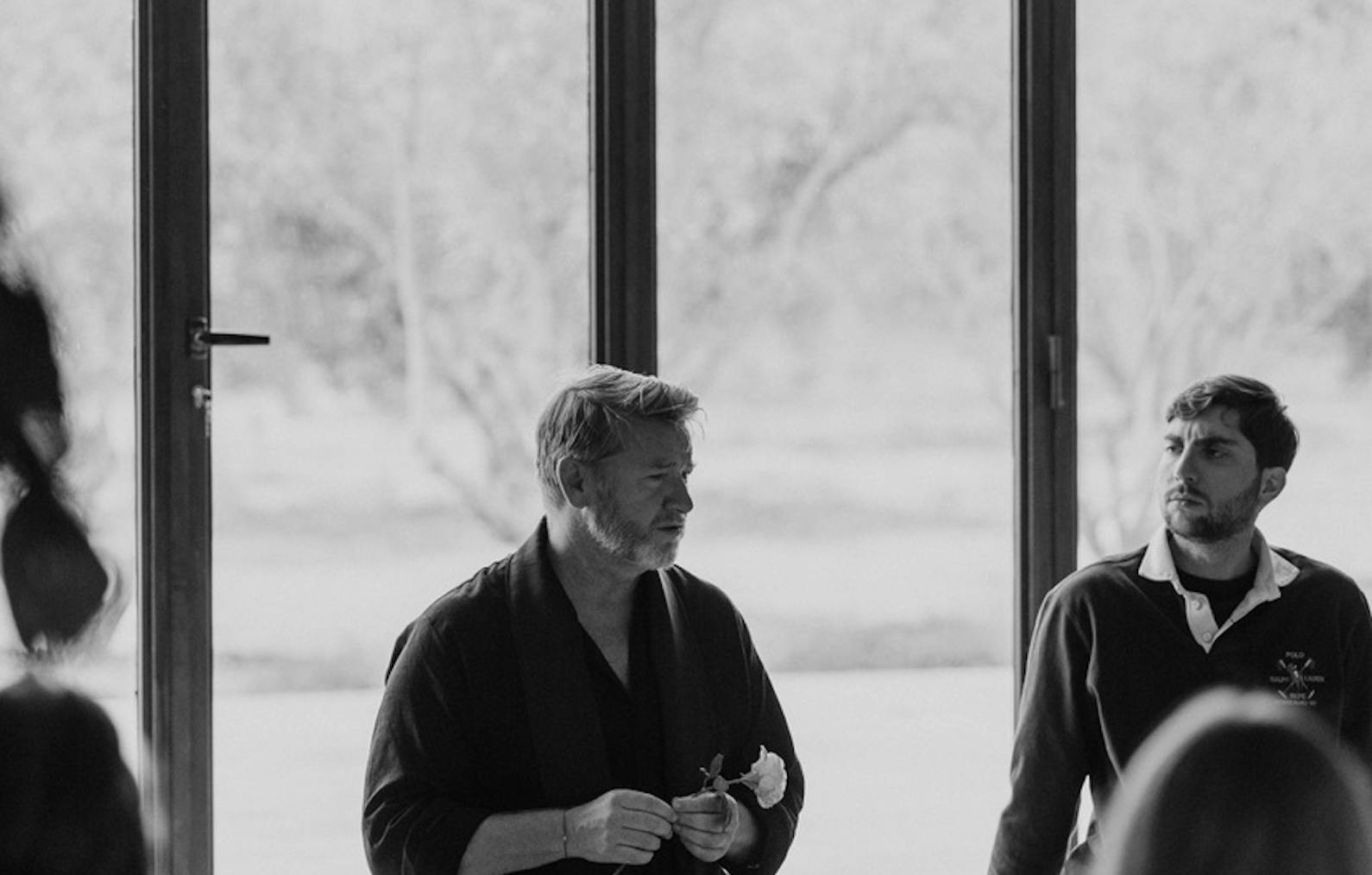
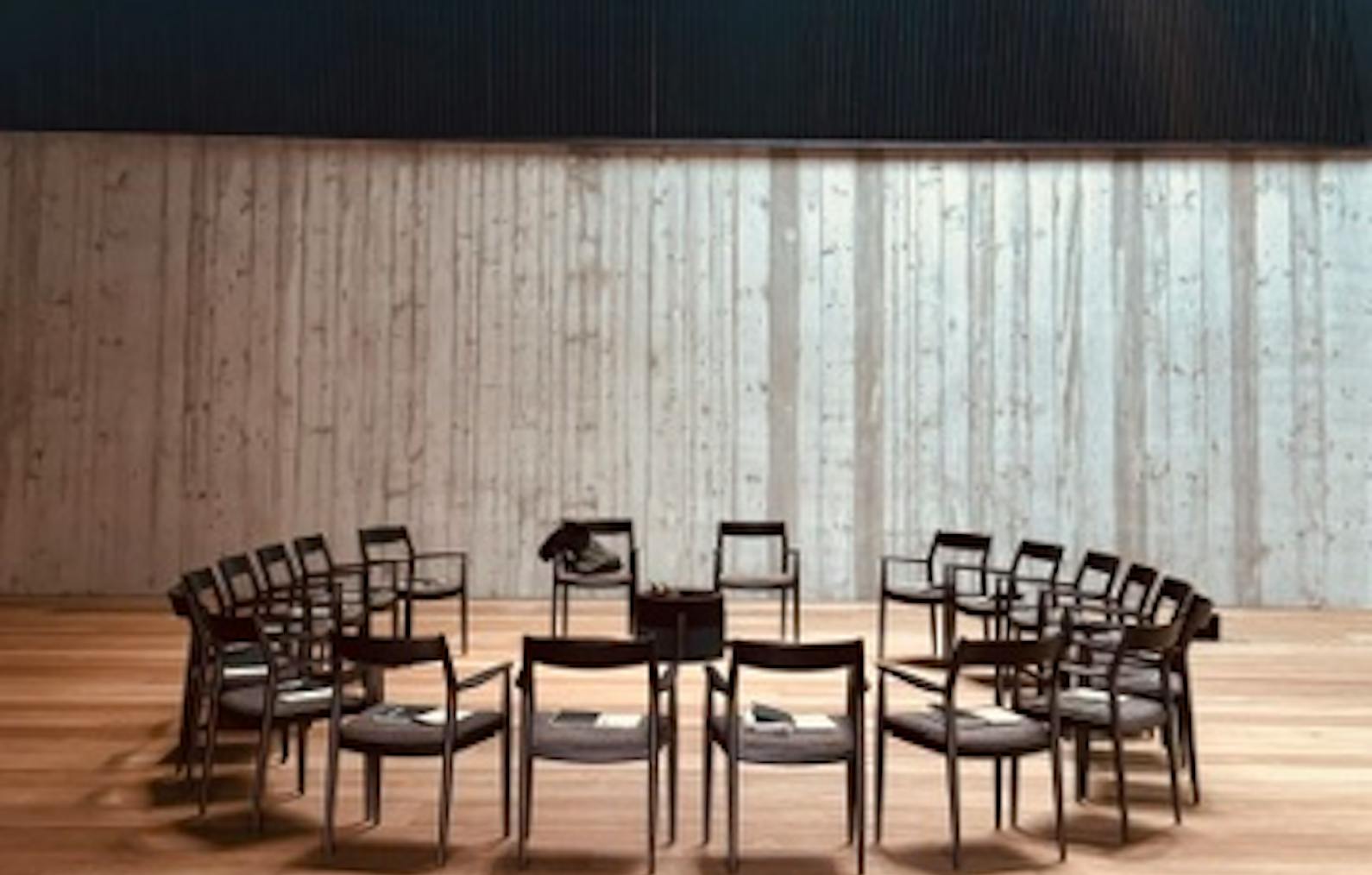
One of my main focuses are the solo retreats that I run, which are five-day deep immersion retreats in Ibiza and sometimes across the world. I've been with some of my retreaters in the Amazon, in Costa Rica, in Japan. I still do some open classes where people come and dance with me and meditate with me, which I love. And then I also have coaching programs that people sign up to as well. It's called the Instill program. More recently, the past five years, I've been doing death doula work. So working with people towards the end of life and helping them through that transition.
What words of wisdom do you share with your students?
You really are okay, and it is okay. And then the second part of that is relax. Not "Hey, chill out," but learn how to relax your whole system and then see what happens. Relax your belief systems, your thought systems, your physical systems, your energetic systems, your social systems - I think that really has been the thread of my work.
What's the best advice you've ever received?
Gabrielle gave me the greatest piece of advice, “get out of your own way." Just get out of the way." For me that was so brutal and so beautiful. Having grown up somewhere that felt like a prison, I helped me to understand what freedom really was. And that became a really beautiful journey for me - not freedom from, just freedom to.